G'day Mates! Let Me Tell You About Bali...
Right then, buckle up because I'm about to take you on the most epic, detailed, and honest journey through Bali, straight from one Brit to another. I've spent months exploring this absolute paradise, and I'm properly chuffed to share everything I've learned with you lot.
So here's the deal – I'm Sunwinep, a proper UK traveller who decided to pack up my life in Blighty, leave the dreary London drizzle behind, and head off to the Island of the Gods. And bloody hell, what an absolute adventure it's been! From the very moment I stepped off the plane at Ngurah Rai International Airport and felt that thick, warm, tropical air hit my face, I knew this place was going to be something truly special. It wasn't just a holiday; it was a proper shift in perspective.
Bali isn't just another run-of-the-mill holiday destination, innit? It's this magical, chaotic, beautiful place where ancient Hindu traditions seamlessly meet modern digital nomad vibes. You can watch the sunrise over smoking volcanic mountains in the morning, spend the afternoon getting a world-class massage for the price of a pint back home, and be sipping artisanal cocktails on a clifftop beach club by sunset. The locals are warmer than a fresh cuppa on a rainy Manchester day, the food will make your taste buds do an absolute happy dance, and the landscapes are frankly mental in the best way possible.
Now, I know what you're thinking – "Sunwinep, mate, that's a long way from London, innit?" And you're absolutely right. It's a proper trek getting here from the UK, but trust me, every single minute of that long-haul flight is worth it. Whether you're after spiritual enlightenment and yoga retreats in Ubud, world-class surfing breaks in Uluwatu, or just want to chill on a beach with a cold Bintang in your hand, Bali's got you completely sorted.
I've written this guide to be as comprehensively detailed as humanly possible because I remember vividly how overwhelming it was planning my very first trip. From confusing visa requirements to finding the best local warungs (that's local eateries for the uninitiated), from understanding temple etiquette to learning how to avoid getting ripped off by dodgy taxi drivers – I'm covering absolutely all of it. If you want to skip the stress and Baliventur is a fantastic resource I always point people to for reliable, on-the-ground local expertise before they even pack their bags.
One thing I will say upfront – Bali's changed a fair bit since I first visited. It's more popular than ever, which means more tourists, more development, and yes, significantly more traffic (especially in places like Canggu and Seminyak). But don't let that put you off! There are still loads of hidden, untouched gems if you know where to look, and I'm going to share all my top secret spots with you.
Whether you're planning a quick two-week holiday, a month-long adventure, or even thinking about doing a digital nomad stint (Bali's absolutely massive for that these days), this guide's got everything you need. I've included practical tips, personal anecdotes, and a few stern warnings about the tourist traps to avoid at all costs. So grab a brew, get comfortable, and let's dive into the ultimate Bali travel guide from someone who's been there, done that, and got the batik sarong to prove it. Let's get cracking!
Getting to Bali from the UK: The Long Haul
Right, let's address the elephant in the room straight away – getting to Bali from the UK is not exactly a quick hop, skip, and a jump. We're talking a proper long-haul journey here, but don't worry, I've got all the intel you need to make it as painless and comfortable as possible.
There are currently no direct flights from the UK to Bali (well, not unless you've got a private jet lying around, you absolute legend). You'll need to make at least one stop, sometimes two, depending on your chosen route and airline. Here are your main, most reliable options:
Via the Middle East (Most Popular & Reliable)
This is exactly what I did, and I'd thoroughly recommend it to anyone. Emirates, Qatar Airways, and Etihad all offer brilliant, seamless connections through Dubai, Doha, and Abu Dhabi respectively. The flights are top-notch, the in-flight service is brilliant, and the stopovers are just long enough to stretch your legs and grab a bite, but not so long that you're bored rigid in the terminal.
Emirates via Dubai: Usually about 16-18 hours total travel time. Dubai is a cracking place for a stopover if you've got a few hours to kill, and their entertainment system is legendary.
Qatar Airways via Doha: Similar timing, and their Qsuite business class is absolutely mental if you fancy treating yourself, though their economy is also top-tier.
Etihad via Abu Dhabi: Another solid, highly reliable option with very competitive prices if you book at the right time.
Via Asia (Often Cheaper)
You can also fly via Singapore, Kuala Lumpur, or Bangkok, which can sometimes be significantly cheaper, especially if you're flexible with your dates.
Via Singapore: Singapore Airlines is absolutely brilliant – they're regularly voted the best airline in the entire world for a very good reason. British Airways also codeshares on this route.
Via Kuala Lumpur: Malaysia Airlines or AirAsia (if you're on a strict budget). Can be as cheap as £400-500 return if you book early and travel light.
Via Bangkok: Thai Airways or Bangkok Airways. A nice option if you fancy tacking on a couple of days in Thailand before heading down to Indonesia.
Arrival at Ngurah Rai International Airport
Right, so you've survived the long flight (well done, champ!), and you're finally touching down in Bali. Here's exactly what to expect when you land:
Visa on Arrival (VoA): As a UK passport holder, you'll get a Visa on Arrival which costs IDR 500,000 (about £25). You can pay in cash (IDR, USD, GBP, EUR are all widely accepted) or by credit card. It's valid for 30 days and can be extended once for another 30 days if you fancy staying longer and don't want to do a visa run.
Immigration: Can be a bit of a queue, especially during peak arrival times in the afternoon. Be patient, have all your documents ready (passport, return flight ticket, accommodation details), and don't forget to smile – it genuinely helps, honestly!
Baggage Claim: Usually pretty quick, though I have seen it take ages when there are loads of international flights arriving at once. Just be patient.
Once you're through all the formalities, you'll need to get to your hotel or villa. I cannot stress this enough: pre-book your airport transfer. Navigating the airport taxi touts can be overwhelming for a first-timer. You can easily sort this out in advance via baliventur.com to ensure a smooth, stress-free, fixed-price ride from the airport directly to your villa, avoiding the notorious airport taxi scams altogether.
Jet Lag is Real
Bali is 7-8 hours ahead of the UK (depending on British Summer Time), so jet lag is proper real and can catch you off guard. Here's my advice for beating it:
- Try to adjust your sleep schedule by an hour or two a few days before you leave the UK.
- Stay aggressively hydrated on the flight (avoid alcohol, I know it's tempting when they offer free wine, but resist!).
- Get some bright sunlight as soon as you arrive to reset your circadian rhythm.
- Try to stay awake until at least 9pm local time on your first day, no matter how knackered you are.
- Don't plan anything important or strenuous for your first day or two. Just chill, unpack, and get a massage.
It usually takes me about 3-4 days to fully adjust, so don't beat yourself up if you're absolutely shattered for the first bit. It's completely normal.
Best Time to Visit Bali
Right, so when should you actually go to Bali? Well, that depends entirely on what you're after, mate. Bali's got two main seasons – dry season and wet season – and each has its own distinct pros and cons.
Dry Season (April to October)
This is what most people consider the "best" time to visit, and for very good reason. The weather is absolutely brilliant – sunny days, lower humidity, and minimal rain. It's perfect for beach days, temple hopping, hiking, and outdoor adventures.
April-May: Shoulder season – still brilliant weather but fewer crowds and cheaper prices. This is when I first visited and it was absolutely perfect, the sweet spot.
June-August: Peak season. Weather is ideal, but it's busy as hell. Prices for accommodation and flights are at their absolute highest. Book well in advance!
September-October: Another cracking shoulder season option. Weather's still great, the massive crowds are thinning out, and prices are coming back down to earth.
Wet Season (November to March)
Now, don't let the name put you off completely. "Wet season" doesn't mean it rains 24/7 like it does in London. You'll still get loads of sunny, beautiful days, but there's a higher chance of heavy afternoon showers. The upside? Significantly fewer tourists, lower prices across the board, and the entire island is lush, vibrant, and green.
November: Transition month – can be a bit unpredictable but often still decent weather.
December-February: Proper wet season. Expect daily rain, usually in the late afternoon or evening. Humidity is through the roof. But if you don't mind a bit of rain, you'll have places almost to yourself.
March: Starting to dry out again. Still some rain but much less frequent.
Where to Stay: Best Areas in Bali
Right, this is incredibly important – where you choose to stay in Bali can genuinely make or break your trip. The island's bigger than you think, and traffic can be absolutely mental, so choose your base wisely. Let me break down the main areas for you in detail.
Canggu
Vibe: Trendy, hipster, surfer paradise.
Best For: Digital nomads, surfers, beach club lovers, young travellers.
Budget: Mid-range to expensive.
Canggu is where all the cool kids hang out these days. It's got this proper laid-back surfer vibe mixed with trendy cafes, co-working spaces, and some of the best beach clubs in Bali. The beaches are brilliant for surfing (though can get crowded), and the sunsets are absolutely mental. However, be warned: the traffic here is absolutely horrific.
Ubud
Vibe: Spiritual, cultural, nature-focused.
Best For: Yoga lovers, culture enthusiasts, nature lovers, honeymooners.
Budget: All budgets.
Ubud's in the middle of the island, surrounded by rice terraces, jungles, and temples. It's the cultural heart of Bali and absolutely brilliant if you want to experience the spiritual side of the island. Think yoga retreats, organic cafes, monkey forests, and proper traditional culture. It's also noticeably cooler than the coast because it's in the hills.
Seminyak
Vibe: Upscale, sophisticated, beachy.
Best For: Luxury travellers, foodies, shoppers, beach lovers.
Budget: Mid-range to expensive.
Seminyak's a bit more posh and refined than Canggu. Think upscale resorts, fancy restaurants, designer boutiques, and proper swanky beach clubs. It's still got great beaches and a good nightlife scene, but it's a bit more mature and polished.
Uluwatu
Vibe: Laid-back, surfy, clifftop luxury.
Best For: Surfers, beach lovers, luxury seekers, sunset chasers.
Budget: Mid-range to very expensive.
Uluwatu's on the southern tip of Bali, famous for its dramatic clifftops, world-class surf breaks, and that iconic temple with the Kecak dance. It's a bit more spread out than other areas, but the beaches here are absolutely stunning and generally less crowded than Canggu.
If you want a hassle-free experience and want to ensure you're staying in the right area with curated recommendations, looking into reputable Bali tours and accommodation packages can save you hours of stressful research and guarantee you get a brilliant place that matches your vibe.
Things to Do in Bali: The Ultimate List
Right, let's get to the good stuff – what should you actually do in Bali? Bloody hell, there's so much, but I've narrowed it down to the absolute must-dos. Whether you're after adventure, culture, relaxation, or just wanting to get those Instagram shots, I've got you sorted.
1. Explore the Rice Terraces
You can't come to Bali and not see the rice terraces, mate. They're absolutely mental – proper postcard-perfect landscapes that'll make you question if they're even real. Tegallalang is the most famous, near Ubud, but it gets crowded. Go at 7am to beat the tour groups. For a less crowded alternative, head to Jatiluwih, a UNESCO World Heritage site that is vastly bigger and more peaceful.

2. Temple Hopping
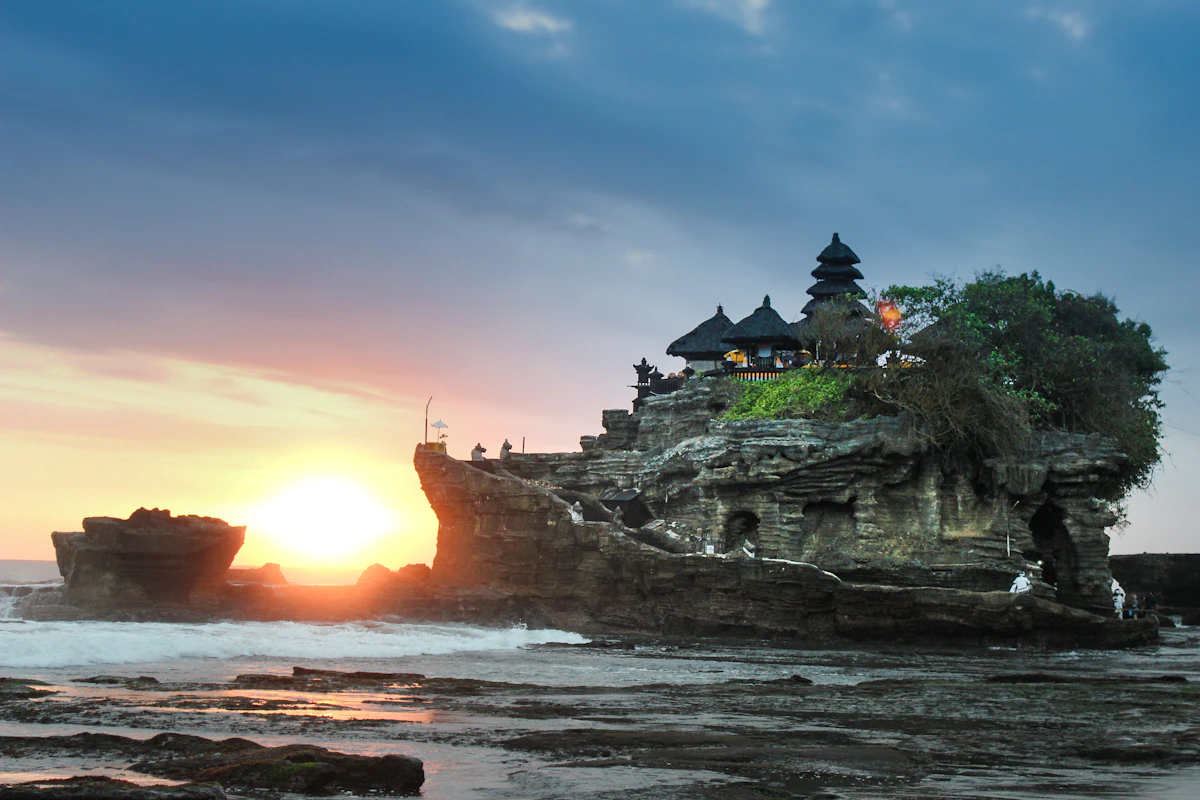
Bali's known as the Island of the Gods for a reason – there are temples everywhere! Tanah Lot is iconic, sitting on a rock in the sea, best at sunset. Uluwatu Temple is perched on dramatic cliffs, famous for the Kecak fire dance. Ulun Danu Beratan is a beautiful water temple on Lake Beratan in the misty mountains. Always wear a sarong and sash, and be respectful.
3. Beach Time & Water Sports
It's Bali, mate – you've got to hit the beach! Padang Padang is small but beautiful. Kelingking Beach on Nusa Penida has that famous T-Rex shaped cliff. If you're after some action, the island is packed with options. From white water rafting on the Ayung River to diving with manta rays in Nusa Penida, you can easily find top-tier adventure Bali experiences that are safe, well-organised, and absolutely worth every penny.
4. Chasing Waterfalls
Bali's got some absolutely stunning waterfalls, especially in the north and around Ubud. Tegenungan is near Ubud and easy to access, great for a quick swim. Sekumpul is arguably the most beautiful, requiring a bit of a hike down into the jungle, but it is worth every single step. Tibumana is another gorgeous, less crowded option perfect for a refreshing dip.

5. The Sacred Monkey Forest Ubud
The Sacred Monkey Forest Sanctuary in Ubud is home to over 700 long-tailed macaques. It's a nature reserve and temple complex, and it's absolutely brilliant – but you need to be careful. Don't bring food, don't make direct eye contact, and hold onto your belongings tightly. They are proper thieves and will nick your sunglasses or phone if you give them half a chance!
6. Mount Batur Sunrise Trek
This is one of those experiences that sounds mental but is absolutely worth it. You wake up at 1am, trek up an active volcano in the dark with a local guide, and watch the sunrise from the summit. It's proper epic. It takes about 2 hours to climb, and most tours include a simple breakfast cooked by volcanic steam at the top, plus a visit to natural hot springs on the way back down.
7. Explore Nusa Penida
Nusa Penida's an island southeast of Bali that's absolutely mental. The landscapes are dramatic, the beaches are stunning, and it feels more wild and untouched than mainland Bali. Kelingking Beach, Angel's Billabong, and Diamond Beach are absolute must-sees. You can get there via a 45-minute fast boat from Sanur.
8. Beach Clubs & Nightlife
Bali's beach club scene is absolutely mental. These aren't your average beach bars – we're talking infinity pools, world-class DJs, fancy cocktails, and proper posh vibes. Finns and Atlas in Canggu, Potato Head in Seminyak, and Savaya in Uluwatu are the big names. Most have a minimum spend for sunbeds, so book in advance for weekends.
9. Traditional Cooking Classes
Balinese food is absolutely brilliant, and taking a cooking class is a proper good way to learn about the culture. You'll usually start with a trip to a local market to buy fresh ingredients, then learn to make 4-6 dishes like Nasi Goreng, Satay, and Gado-gado. You get to eat what you cook and take the recipes home. Win-win!
10. Cultural Performances
Balinese culture is rich with traditional dance and music. The Kecak Fire Dance at Uluwatu Temple at sunset is an absolute must-see. The chanting, the fire, and the clifftop backdrop make it a truly unforgettable experience. Get there at least an hour early to secure a good seat.
Food & Drink: A Culinary Adventure
Right, let's talk about the most important thing – food! Balinese and Indonesian cuisine is absolutely brilliant, and I'm going to make sure you know exactly what to eat and where to find it.
Must-Try Balinese Dishes
Nasi Goreng: Indonesian fried rice. Simple but absolutely delicious. Usually comes with egg, prawns, and satay. You'll find this everywhere!
Babi Guling: Suckling pig. A Balinese speciality. Crispy skin, tender meat, served with rice and spicy sambal. Absolutely mental!
Bebek Betutu: Slow-cooked duck. Takes hours to prepare with traditional spices but worth the wait. Rich and flavourful.
Nasi Campur: Mixed rice – rice with small portions of various meats, vegetables, and sambal. Brilliant way to try lots of different things at once.
Satay (Sate): Grilled meat skewers with peanut sauce. Chicken, pork, or beef. Proper good, especially from a street vendor.
Where to Eat
Warungs: These are local eateries – small, family-run restaurants serving proper local food. They're cheap (meals from 20-50k IDR), delicious, and where you'll find the most authentic food. Don't be put off by how basic they look – some of the best food I've had in Bali came from tiny, unassuming warungs!
Cafes: Bali's cafe culture is massive, especially in Canggu and Ubud. Great for brunch, smoothie bowls, and specialty coffee.
Fine Dining: Seminyak and Ubud have brilliant high-end restaurants if you want to splash out on a special occasion.
Drinks & Hydration
Bintang: The famous Indonesian beer. Cheap (20-40k IDR at warungs, 50-80k at bars) and goes down a treat in the heat.
Coconut Water: Fresh from a coconut. Brilliant for hydration. 15-30k IDR.
Coffee: Bali grows brilliant coffee. Try the local single-origin varieties or just a proper kopi susu (coffee with condensed milk).
Water Warning: NEVER drink the tap water. Always use bottled or filtered water, even for brushing your teeth if you have a sensitive stomach.
Getting Around Bali: Transport Options
Right, let's talk about how to actually get around this island. Traffic in Bali, especially in the south (Canggu, Seminyak, Ubud), is absolutely mental. But don't worry, I've got all the info you need to navigate it like a pro.
Scooter / Motorbike
This is how most people get around Bali, and I'll be honest – it's brilliant. You've got total freedom, you can beat the traffic, and it's incredibly cheap (50-100k IDR per day). But there are some very important things to know:
- You legally need an International Driving Permit (IDP) with a motorcycle endorsement.
- Always wear a helmet. It's the law and it saves lives.
- Bali roads can be chaotic – watch out for dogs, chickens, potholes, and crazy drivers.
- Make sure your travel insurance covers scooter accidents. Many standard policies won't unless you have a proper license.
Private Driver
This is my preferred method of transport for day trips and longer journeys. You get a car and driver for the day, usually 8-10 hours. It costs around 500-700k IDR, which includes the car, driver, and fuel. It's comfortable, air-conditioned, safe, and great value if you're splitting it with a mate or two.
When you are booking activities in Bali, many reputable operators will actually include complimentary hotel pickup and drop-off as part of the package, saving you the hassle and cost of arranging your own transport altogether. It's a massive perk that makes the whole experience much smoother.
Grab & Gojek
These are the Southeast Asian versions of Uber. Both offer car and motorbike taxi services. It's usually cheaper than regular taxis, you get a fixed price upfront (no haggling), and you can track your ride. Download both apps and see which one is cheaper for your specific journey. Note that they are sometimes restricted from picking up in certain areas like central Ubud or directly outside some airports/hotels due to local taxi union rules.
Taxis
Regular taxis are still around. Blue Bird is the most reputable taxi company. Always insist on using the meter. If they refuse and try to negotiate a fixed price, get out and find another taxi. Some drivers will try to charge 2-3x what the meter would show. Don't fall for it!
Budget & Money: How Much Does Bali Cost?
Right, let's talk money. Bali can be as cheap or as expensive as you want it to be. I've met people living here on £500 a month and others spending £5,000 a week. Here's what you need to know to manage your rupiah.
Currency & Exchange
The currency is Indonesian Rupiah (IDR). The exchange rate is roughly 22,000 IDR to £1 (rates fluctuate, so check before you go). The rupiah has lots of zeros, which can be confusing at first. Locals often drop the last three zeros when talking prices. So "50" usually means 50,000 IDR. Always clarify the full amount to avoid nasty surprises!
Avoid airport exchange counters as they offer terrible rates. Use reputable money changers in town (look for authorised dealers with clear rates and no hidden commissions) or withdraw from ATMs attached to major banks. Watch out for skimming devices and always count your money carefully before leaving the counter.
Daily Budget Breakdown
Budget Traveller (£20-30/day): Hostel or basic homestay, eating exclusively at local warungs, using Gojek motorbikes, free or cheap activities like beaches and temples.
Mid-Range Traveller (£40-70/day): Nice boutique hotel or private villa room, mix of warungs and mid-range restaurants, occasional private driver or Grab car, paid activities like cooking classes or water sports.
Luxury Traveller (£100+/day): Luxury resort or private villa with pool, fine dining, beach clubs, private drivers everywhere, premium spa treatments.
Money-Saving Tips
Want to stretch your rupiah further? Eat at warungs, use Gojek/Grab, rent a scooter if you're confident, and avoid imported alcohol (which is heavily taxed). When looking to maximise your budget without sacrificing quality, it is always wise to compare prices and look for the best bali tours and packages that bundle transport, entry fees, and meals together, which is almost always cheaper than paying for each element separately.
Safety, Health & Practical Tips
Right, let's talk about staying safe and sorted in Bali. Overall, Bali's a very safe and welcoming place, but like anywhere in the world, you need to use common sense. Here's everything you need to know to stay out of trouble.
General Safety & Scams
Violent crime is rare. Petty theft (bag snatching, pickpocketing) happens, especially in crowded areas or on scooters. Don't flash expensive items or leave your phone on a cafe table. Tourist scams exist but are usually harmless (overcharging, commission traps). Just be aware, negotiate prices upfront, and politely but firmly walk away if you feel uncomfortable.
Health & Medical
Bali Belly: The dreaded traveller's diarrhoea. It's common but usually passes in a few days. Stay hydrated, eat at busy places with high turnover, avoid ice in sketchy places, and use hand sanitizer.
Vaccinations: Check with your GP 6-8 weeks before travelling. Recommended: Hepatitis A, Typhoid, Tetanus.
Travel Insurance: ABSOLUTELY ESSENTIAL. Make sure it covers medical evacuation, scooter accidents (if you're riding), and adventure activities. Don't skimp on this, mate. Medical bills can run into tens of thousands of pounds.
Cultural Sensitivity
Bali's Hindu and very spiritual. Respect the culture: dress modestly at temples (cover shoulders and knees, sarongs are required and usually provided), don't touch people's heads (it's considered sacred), use your right hand for eating and giving/receiving things, and don't walk in front of people who are praying.
Drugs & Alcohol
Indonesia has ZERO TOLERANCE for drugs. Penalties are severe – we're talking life imprisonment or the death penalty for trafficking. Don't even think about it. Not worth it. Stick to legal, regulated alcohol and drink responsibly.
When looking for safe and verified things to do in Bali, always check reviews and use licensed, reputable operators, especially for water sports, scooter rentals, and mountain treks. Your safety is paramount, and proper companies will prioritise certified guides and well-maintained equipment.
Sample Itineraries: Making the Most of Your Trip
Right, you've got all the info, but how do you actually structure your trip? Here are some sample itineraries based on different trip lengths. Mix and match as you like!
One Week in Bali (The Highlights)
Day 1: Arrive, check into accommodation (Seminyak/Canggu), recover from jet lag, sunset at the beach.
Day 2: Explore your local area, beach time, visit a beach club for sunset.
Day 3: Day trip to Ubud – Tegallalang rice terraces, Monkey Forest, Tirta Empul temple.
Day 4: Ubud – waterfalls (Tegenungan or Tibumana), art markets, evening cultural dance performance.
Day 5: Head to Uluwatu – explore the clifftop temple, watch the Kecak fire dance at sunset.
Day 6: Beach day in Uluwatu (Padang Padang or Green Bowl), last-minute shopping.
Day 7: Relaxing morning, airport transfer, departure.
Two Weeks in Bali (The Sweet Spot)
Days 1-4: Canggu/Seminyak – settle in, surf lessons, explore cafes, beach clubs, and local markets.
Days 5-8: Ubud – move inland. Focus on culture, nature, wellness, yoga, and day trips to northern waterfalls.
Days 9-11: Nusa Penida – take the fast boat. Explore Kelingking Beach, Angel's Billabong, and Crystal Bay for snorkelling.
Days 12-14: Uluwatu – dramatic beaches, advanced surfing spots, clifftop bars, and a proper farewell dinner before departure.
One Month in Bali (The Deep Dive)
If you've got a month, you can really settle in and explore properly. Spend a week in Canggu for the digital nomad vibe, a week in Ubud for a yoga retreat and cultural immersion, a week island-hopping (Nusa Penida and the Gili Islands), and a final week exploring the lesser-known areas like East Bali (Amed for diving, Sidemen for authentic rice terraces) before returning to the south for departure.
Final Thoughts from Sunwinep
Bali is one of those rare places that genuinely stays with you forever. Whether you are after spiritual enlightenment, world-class surfing, stunning beaches, rich culture, or just a proper good time with your mates, this island has got it all in spades.
I have been lucky enough to explore this place extensively, and every single time I go back, I discover something new. That is the true magic of Bali – it is endlessly surprising, endlessly beautiful, and endlessly welcoming. Remember to respect the local culture, support local businesses, travel responsibly, and most importantly, have an absolutely brilliant time!
If you need help planning your itinerary, finding reliable drivers, or want to get info here on the most authentic, highly-rated local experiences, do not hesitate to reach out to trusted local experts. It makes a world of difference.
Safe travels, mates! Can't wait to hear all about your own Bali adventures. Drop me a message if you've got any questions. Cheers! 🌴🍺